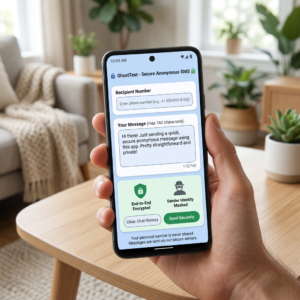

Technology has become an inseparable part of our daily lives. From the moment we wake up to the time we go to bed, technology shapes the way we communicate, work, travel, shop, and even think. In the past few decades, advances in technology have drastically transformed the way we live, making life faster, easier, and more connected. In this article, we’ll explore the many ways technology is changing everyday life and what it means for our future.
1. Communication Has Become Instant and Global
One of the most significant ways technology has changed daily life is in the field of communication. In the past, sending a letter could take days or even weeks. Today, we can send messages instantly through email, social media, or messaging apps. Video calls have made it possible to see and talk to people anywhere in the world as if they were right in front of us.
This has a huge impact on relationships, both personal and professional. Families separated by distance can stay connected, and businesses can collaborate with international teams without the need for constant travel. Social media platforms allow people to share their lives, opinions, and experiences in real time, creating a sense of global community.
2. Work and Education Are More Flexible
Technology has completely transformed how we work and learn. With the rise of computers, smartphones, and the internet, remote work has become increasingly common. Employees can now work from home, coffee shops, or even while traveling. This flexibility has improved work-life balance for many people and opened up opportunities for those who cannot commute or live far from offices.
In education, online learning platforms allow students to access courses from anywhere in the world. Digital tools, such as virtual classrooms, online assignments, and interactive simulations, make learning more engaging and accessible. Technology is also helping people learn new skills quickly, from coding to cooking, often without leaving their homes.
3. Health and Fitness Are Becoming Smarter
Technology is revolutionizing healthcare and personal wellness. Wearable devices like smartwatches can track steps, heart rate, sleep patterns, and even detect potential health issues early. Telemedicine allows patients to consult doctors online, reducing the need for travel and waiting times.
Moreover, medical technology is advancing rapidly. Robots assist in surgeries, AI helps diagnose diseases faster, and apps can remind patients to take their medication on time. All of this makes healthcare more efficient, personalized, and accessible to a larger number of people.
4. Shopping and Entertainment Are Just a Click Away
Technology has also changed how we shop and enjoy entertainment. E-commerce platforms allow us to buy almost anything online and have it delivered to our doorstep. Personalized recommendations powered by AI make shopping easier and more convenient.
Entertainment has also gone digital. Streaming services provide access to movies, TV shows, music, and games at any time, replacing traditional media like DVDs and CDs. Virtual reality (VR) and augmented reality (AR) are creating immersive experiences in gaming, shopping, and education, changing the way we experience the world around us.
5. Transportation Is Faster and Smarter
Transportation has become more efficient thanks to technology. GPS and navigation apps help people find the fastest routes and avoid traffic. Ride-sharing apps have made it easy to get a car without owning one, and electric vehicles are reducing our dependence on fossil fuels.
Self-driving cars, drones, and high-speed trains represent the future of transportation. These innovations promise safer, faster, and more environmentally friendly travel, while also reducing the stress and time spent on commuting.
6. Home Life Is Becoming More Automated
Smart home technology is making daily life more convenient. Devices like smart lights, thermostats, and security systems can be controlled through smartphones or voice assistants. For example, you can adjust the temperature before arriving home or monitor your house while on vacation.
Kitchen appliances, robotic vacuums, and automated lawn mowers save time on chores, giving people more freedom to focus on work, hobbies, or family. As AI continues to improve, homes are becoming more intuitive and capable of learning the habits and preferences of the people living in them.
7. How Technology Affects Social Behavior
While technology makes life more convenient, it also changes the way we interact socially. Online communication can strengthen long-distance relationships, but it may also reduce face-to-face interaction. Social media can influence how we perceive ourselves and others, sometimes leading to unrealistic comparisons.
It’s important to find a balance. Technology should enhance our lives, not control them. Mindful use, such as setting screen-time limits or taking breaks from social media, helps people maintain healthy social habits and mental well-being.
8. Challenges and Considerations
Despite its many benefits, technology comes with challenges. Privacy concerns are growing as more personal data is collected online. Cybersecurity threats, including hacking and identity theft, are real risks in a connected world. Additionally, excessive dependence on technology can lead to health issues, like eye strain, sleep problems, or reduced physical activity.
Addressing these challenges requires both awareness and action. Individuals must protect their personal information and maintain healthy habits, while governments and companies need to ensure secure, ethical, and responsible use of technology.
Conclusion
Technology has transformed nearly every aspect of daily life, making communication instant, work and education flexible, healthcare smarter, shopping convenient, and homes more automated. While it comes with challenges, its benefits are undeniable, creating opportunities for efficiency, learning, and connection like never before.
The key is to use technology wisely, balancing its advantages with mindful practices to ensure it improves life without diminishing human connection, health, or privacy. As technology continues to evolve, it will keep shaping everyday life in exciting and unpredictable ways, offering possibilities that were once only imagined in science fiction.
Frequently Asked Questions (FAQs)
1. How has technology improved communication?
Technology allows instant messaging, video calls, and social media, making it easy to stay connected with people around the world.
2. Can technology replace traditional learning methods?
While online learning is convenient, it complements traditional education rather than completely replacing it. Interactive classrooms and personal interaction remain valuable.
3. Is technology making us less healthy?
Excessive use of technology can lead to reduced physical activity and eye strain, but wearable devices and fitness apps also help people monitor and improve health.
4. How does smart home technology help daily life?
Smart home devices automate tasks like lighting, heating, cleaning, and security, saving time and increasing convenience.
5. What are the biggest challenges of technology in everyday life?
Privacy concerns, cybersecurity risks, and over-dependence on devices are major challenges that need careful management.