
Harajuku fashion is one of Japan’s most iconic and expressive style cultures. Emerging from the vibrant streets of Tokyo, Harajuku fashion is known for its bold colors, layered outfits, unique accessories, and mix-and-match approach that celebrates creativity without limits. More than just clothing, Harajuku fashion is a lifestyle, a form of self-expression, and a cultural movement. This complete guide explores the history, key styles, trends, evolution, and global influence of Harajuku fashion, helping you fully understand this colorful world.
What Is Harajuku Fashion?
Harajuku fashion refers to the diverse street style culture that developed in Tokyo’s Harajuku district. It embraces individuality, rebellion against mainstream fashion, and artistic expression.
Core Features of Harajuku Style
Harajuku fashion is defined by:
- Layered outfits
- Bright and pastel colors
- Handmade or thrifted pieces
- Dramatic accessories
- Creative hairstyles and makeup
- Mixing different styles into one look
Every Harajuku outfit is unique because it reflects the personality of the wearer.
History of Harajuku Fashion
To understand Harajuku style, we must look at how it began and evolved.
Origins in the 1970s
After World War II, young people in Tokyo looked for creative spaces. Harajuku became a meeting point for artists, musicians, and teens who wanted freedom from traditional Japanese fashion.
Boom in the 1990s
The 1990s marked the rise of Harajuku fashion when teens gathered on Harajuku Bridge every Sunday to display their outfits. Photographers began documenting the culture, making it famous worldwide.
International Influence in the 2000s
Harajuku fashion went global due to magazines, anime culture, and celebrities like Gwen Stefani. Today, Harajuku remains an evolving hub of fashion experimentation.
Major Styles of Harajuku Fashion
Harajuku is not a single style. It is a collection of many subcultures, each with its own aesthetic and rules.
Lolita Fashion
Lolita fashion is inspired by Victorian and Rococo clothing, focusing on elegance, modesty, and princess-like silhouettes.
Sweet Lolita
Features pastel colors, bows, lace, ribbons, and playful prints like sweets or toys.
Gothic Lolita
Uses black, dark lace, crosses, roses, and a dramatic elegant aesthetic.
Classic Lolita
More mature with neutral tones, floral prints, and vintage-inspired dresses.
Decora Fashion
Decora is one of the boldest Harajuku styles, known for its overload of accessories.
What Defines Decora
Bright clothing, layered skirts, colorful socks, dozens of hair clips, stickers, toys, and playful makeup. Decora celebrates fun, youth, and joy.
Visual Kei
Visual Kei comes from Japanese rock culture and blends glam rock, gothic influences, and punk fashion.
Visual Kei Style Traits
Dark clothing, dramatic makeup, styled hair, leather, studs, and theatrical outfits. It is bold and performance-ready.
Kawaii Fashion
“Kawaii” means cute, and this style focuses on creating adorable, soft, youthful looks.
Elements of Kawaii Style
Pastel colors, oversized sweaters, cartoon prints, plush accessories, and cute shoes. It is heavily inspired by anime and pop culture.
Punk Harajuku Fashion
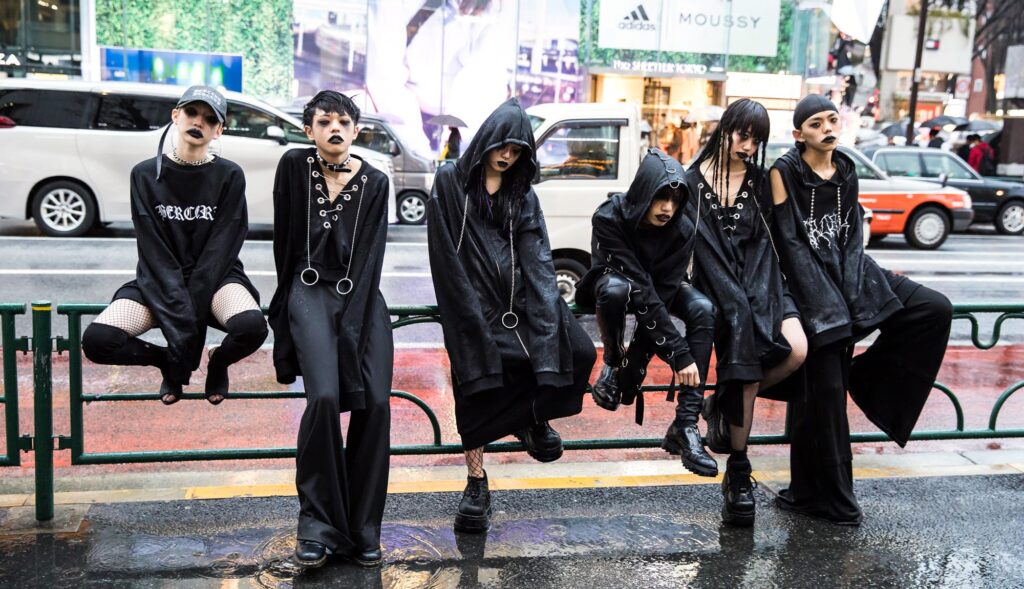
Punk Harajuku is rebellious and edgy, representing freedom and anti-mainstream expression.
Key Punk Features
Leather jackets, ripped clothing, chains, spikes, plaid patterns, and bold hairstyles. It reflects individuality and confidence.
Fairy Kei
Fairy Kei blends pastel 80s nostalgia and fantasy themes.
Fairy Kei Style Details
Soft pink, mint, lavender, baby blue, fluffy skirts, vintage toy motifs, and pastel accessories. It creates a dreamy look.
Gyaru Fashion
Gyaru focuses on glam, confidence, and bold beauty trends.
Popular Gyaru Substyles
Hime Gyaru
Princess-inspired with tiaras, pink dresses, and big curls.
Kuro Gyaru
Tan skin, blonde hair, dramatic makeup, and bold outfits.
Agejo Gyaru
Sexy, feminine, club-inspired looks with glamorous accessories.
Cosplay-Influenced Harajuku Fashion
Harajuku fashion also includes anime-inspired outfits worn daily, not just at events.
Cosplay Elements in Streetwear
Character wigs, vibrant makeup, themed outfits, accessories from anime, and fantasy-inspired clothing.
Modern Harajuku Fashion Trends
Harajuku continues to evolve with new influences.
Mixing Vintage and Modern Pieces
Thrift stores are popular in Harajuku. Teens mix high fashion, vintage items, school uniforms, and streetwear into one creative outfit.
Rise of Minimalist Harajuku
A modern shift shows interest in soft hairstyles, muted colors, and delicate accessories while still keeping the Harajuku spirit.
Techwear Influence
Futuristic outfits with harnesses, neon details, and oversized jackets represent the newest Harajuku evolution.
Why Harajuku Fashion Is Important
Harajuku is not just fashion—it is cultural freedom.
Symbol of Self-Expression
It allows individuals to express identity without judgment.
Breaking Fashion Rules
Harajuku removes boundaries and celebrates uniqueness.
Inspiring Global Designers
Luxury designers often draw inspiration from Harajuku styles.
Harajuku Fashion and Japanese Culture
Harajuku reflects Japan’s youth culture, creativity, and social individuality.
Cultural Impact
Harajuku fashion has influenced:
- Anime styles
- Music videos
- Global streetwear
- Art and photography
It is a major part of Japan’s creative identity.
Harajuku Fashion Shopping Guide
If you want to experience Harajuku style, here’s where to shop.
Takeshita Street
The heart of Harajuku, filled with boutiques, accessories, and unique clothing stores.
Cat Street
For high-end streetwear and vintage pieces.
Secondhand and Thrift Shops
Many Harajuku outfits start with unique thrifted items.
How to Create Your Own Harajuku Look
Harajuku fashion encourages creativity.
Start with Layers
Layer shirts, skirts, jackets, or accessories for dimension.
Mix Colors and Textures
Combine bold colors with soft textures or metallic items.
Add Statement Accessories
Hair clips, badges, stockings, wigs, jewelry, bags—anything goes.
Stay True to Yourself
Harajuku fashion is not about copying. It’s about expressing your story.
Harajuku Makeup and Hairstyles
Makeup and hair are essential elements.
Popular Hair Trends
Wigs, pastel colors, high pigtails, curls, or dramatic styles.
Makeup Style
Bright eyeshadows, eyeliner art, glitter cheeks, bold lip colors, and kawaii themes.
Male Harajuku Fashion
Harajuku is not limited to female-presenting fashion. Men participate equally.
Men’s Features
Oversized jackets, platform shoes, dramatic hairstyles, punk pieces, anime-inspired clothing, and layered accessories.
The Global Influence of Harajuku Fashion
Harajuku has inspired people worldwide.
Impact on Pop Culture
From music videos to global streetwear brands, Harajuku elements appear everywhere.
Influence on Designers
Major designers study Harajuku street fashion for new ideas.
Future of Harajuku Fashion
Harajuku continues to grow with modern creativity.
Digital Influence
Social media spreads Harajuku style globally, inspiring new generations.
Sustainable Harajuku
More youth are thrifting, reusing, and reworking clothing to create eco-friendly looks.
Blending Cultures
Harajuku now mixes global trends with traditional Japanese aspects.
Conclusion
Harajuku fashion is one of the most dynamic, expressive, and influential fashion cultures in the world. It celebrates creativity, individuality, and fearlessness. From Lolita to Decora, Kawaii to Gyaru, Harajuku fashion offers endless ways to express yourself. Whether you love bold colors, vintage pieces, layered outfits, or fantasy-inspired looks, Harajuku welcomes every style. This fashion movement continues to inspire designers, artists, and fashion lovers globally, proving that self-expression has no boundaries.