
In today’s fast-paced world, finding ways to simplify our daily routines and conserve energy has become more important than ever. Smart living isn’t just about having the latest gadgets—it’s about creating a lifestyle that maximizes efficiency, reduces waste, and gives you more time to focus on what truly matters. By implementing smart living ideas, you can save both time and energy while improving the quality of your life. Here are practical strategies and tips that anyone can start using today.
1. Embrace Smart Home Technology
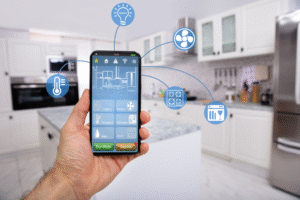
One of the easiest ways to save time and energy is by incorporating smart home devices. These include smart lights, thermostats, security systems, and appliances.
- Smart Thermostats: Devices like smart thermostats learn your schedule and adjust the temperature automatically, reducing wasted energy while keeping your home comfortable.
- Smart Lighting: Automated lighting systems turn off when no one is in a room or adjust brightness depending on the time of day, helping reduce electricity usage.
- Voice Assistants: Tools like Amazon Alexa or Google Home allow you to control devices hands-free, schedule tasks, and even shop online, saving time on mundane chores.
Smart home technology may have an initial investment, but it quickly pays off through lower utility bills and less time spent managing household tasks.
2. Plan Your Day Efficiently
Time management is crucial for smart living. Planning your day can drastically improve productivity and reduce stress.
- Make a Schedule: Using a planner or digital calendar can help you track appointments, deadlines, and errands.
- Batch Tasks: Group similar activities together. For example, cooking meals for the week in one session saves time compared to preparing each meal separately.
- Set Priorities: Focus on high-impact tasks first. This ensures you get the most important work done even if unexpected events occur.
By having a structured day, you avoid wasting time deciding what to do next and can concentrate your energy on what matters most.
3. Optimize Your Kitchen
The kitchen is often the heart of a home but can also be a major source of energy consumption. Smart living in the kitchen can save both electricity and time.
- Energy-Efficient Appliances: Choose devices with the Energy Star rating—they use less electricity without sacrificing performance.
- Meal Prep: Preparing ingredients or entire meals in advance reduces daily cooking time and ensures healthy meals without stress.
- Use Pressure Cookers or Air Fryers: These modern appliances cook food faster and with less energy compared to traditional ovens or stovetops.
A well-organized kitchen not only reduces energy bills but also gives you more free time each day.
4. Reduce Energy Waste at Home
Conserving energy doesn’t always require high-tech solutions. Small, intentional changes can make a big difference.
- Unplug Devices: Electronics continue to draw power even when turned off. Unplugging chargers, TVs, and computers saves electricity.
- Use Natural Light: Open curtains during the day to reduce the need for artificial lighting.
- Seal Windows and Doors: Preventing heat or cold from escaping improves efficiency and reduces heating and cooling costs.
These simple actions might seem minor, but over time, they significantly reduce energy consumption and monthly bills.
5. Adopt Minimalism
A cluttered home often leads to wasted time and energy. Adopting a minimalist approach can help you focus on essentials.
- Declutter Regularly: Keep only what you use and love. This makes cleaning and organizing easier.
- Simplify Your Wardrobe: A smaller, versatile wardrobe saves time deciding what to wear and reduces laundry.
- Limit Unnecessary Purchases: Fewer items mean less maintenance, cleaning, and storage space required.
Minimalism isn’t just about aesthetics—it’s a practical strategy for saving time and mental energy.
6. Smart Transportation Choices
Transportation can be a major drain on both time and energy. Smart living includes efficient ways to travel.
- Use Public Transport or Carpool: This reduces fuel consumption and stress from driving.
- Electric Vehicles or Bikes: These options are energy-efficient and eco-friendly.
- Plan Routes in Advance: Avoid traffic jams and save time by using navigation apps that suggest the quickest route.
Smarter transportation choices make your daily commute faster, cheaper, and greener.
7. Automate Routine Tasks
Automation isn’t just for businesses—your home life can benefit too.
- Automated Bill Payments: Avoid late fees and save time by setting up automatic payments.
- Subscription Services: Regular deliveries of essentials like groceries or toiletries save frequent trips to the store.
- Robot Vacuums and Lawn Mowers: These devices handle repetitive chores, freeing up your time for more meaningful activities.
The more tasks you can automate, the less mental and physical energy you spend managing them.
8. Focus on Health and Energy
Smart living isn’t just about saving energy in the home—it’s also about maintaining your personal energy levels.
- Sleep Well: Quality sleep improves productivity and mental clarity.
- Exercise Efficiently: Short, high-intensity workouts can be more effective than long sessions, saving time and boosting energy.
- Healthy Diet: Eating nutritious food keeps your energy levels stable throughout the day, preventing the sluggishness that leads to wasted time.
When your body and mind are energized, everything else becomes easier and faster.
9. Digital Organization
Our digital life can be just as chaotic as our physical spaces. Organizing your digital world saves time and reduces stress.
- Organize Files and Emails: Keep documents in folders and unsubscribe from unnecessary newsletters.
- Use Productivity Apps: Apps for note-taking, reminders, and project management help streamline tasks.
- Limit Social Media Distractions: Set boundaries to prevent wasting hours scrolling through content.
A clean, well-managed digital space allows you to work efficiently and focus on priorities.
10. Practice Smart Shopping
Smart living extends to how you shop. Conscious shopping saves both energy and time.
- Buy Multi-Purpose Items: Reduce clutter and the need for multiple products.
- Shop Online Strategically: Plan purchases to avoid multiple trips to the store.
- Consider Longevity Over Cost: Investing in durable products reduces the frequency of replacements and wasted energy.
Smart shopping habits are practical and environmentally responsible.
Frequently Asked Questions (FAQs)
1. What is smart living?
Smart living means creating a lifestyle that prioritizes efficiency, energy conservation, and time management. It combines technology, planning, and simple habits to make life easier.
2. How can I save energy at home without smart devices?
You can save energy by unplugging unused electronics, using natural light, sealing windows and doors, and choosing energy-efficient appliances.
3. Are smart home devices expensive?
Some devices may have a higher upfront cost, but they save money in the long run by reducing energy bills and time spent on chores.
4. Can minimalism really save time and energy?
Yes. Fewer possessions mean less cleaning, organizing, and mental clutter, allowing you to focus on important tasks.
5. How can I make my daily routine more efficient?
Plan your day, batch tasks, prioritize important activities, and automate repetitive chores wherever possible.
Conclusion
Smart living isn’t just a trend—it’s a practical way to improve your quality of life. By incorporating smart home technology, managing your time efficiently, optimizing your home, and maintaining personal energy, you can save hours every week and reduce your energy bills. Even small changes, when practiced consistently, make a noticeable difference. Start with one or two of these ideas today, and gradually build a lifestyle that values both time and energy.